
Rumor - Apple will release a 128GB iPhone 5s
Regardless of the maximum device size released by Apple, there are always customers demanding more. The largest iphones currently support 64GB of storage but that may all be about to change.
The latest IOS 6.1 beta 5 seems to support a larger 128GB system partition key in BuildManifest. This would match up with previously seem NAND upgrade patterns from Apple (which are about every 2 years).
Online storage providers have been trying to fill in the gap by convincing customers that streaming and online storage is a better option than plucking down top dollar for the largest device possible. But until bandwidth caps are raised and speeds reach 4G in more areas, many will still demand larger local storage.
Sanyo Eneloop rechargeable battery review
As a business traveler, I adopted rechargeable batteries 5 years ago and haven’t looked back since. I have tried almost every brand of rechargeable batteries and the 2 I have consistently come back to are the Powerex by Maha Energy and the Sanyo Eneloop.
The Powerex is the heavy duty battery that works great in high drain devices. I use Eneloop for everything else.
The value proposition
The value propositions of the Eneloops are:
- Come pre-charged
- Maintain 70% of their charge after 5 years of storage
- Can be recharged 1500-1800 times
Testing
I recently bought a brand new pack of these batteries and decided to run some tests and share the results here.
Capacity
The newest batteries actually list the “Min” mAh value. The AA in my pack list “Min. 1,900mAh” but rest assured their nominal charge is 2000mAh per Sanyo.
Out of the box, I test 8 AA batteries and they all had between 70-85% of their full 2000mAh charge which means (unlike other rechargeables) you can immediately put them to work. I found that during the next 5 complete recharges, the batteries capacity actually increased slightly reaching closer to the 2190mAh level.
Lifespan
When using Energizer rechargeable batteries, they can typically be recharged 400-600 types before their performance starts to really degrade. My oldest Eneloops are close to 1000 recharges and they are still performing to spec.
Shelf life
I used one of my brand new batteries, did 4 drain/recharge cycles then left it in a drawer for 3 months. I pulled it out and tested its charge rate and it still delivered 92% of its advertised charge. I performed the same test with my 3 year old Eneloop's and during the same period, it retained 87% of its charge.
Most other rechargeable batteries typically fall to 40-50% charge after the 100 day mark.
C and D Adaptors
The latest kit I received came with 2 C and 2 D adaptors. This means I can use the Eneloop AA rechargeable batteries in devices that require C or D. Nice little add-on that makes these batteries even more attractive.
Verdict
Overall I love and recommend these batteries for low or medium drain devices. They will last longer than other name brand rechargeables, come charged out of the box and you can often find them on special at very attractive prices.
Anytime I see a good deal on these, I tend to pick up a couple more (to make sure I never run out of batteries)
Pictures
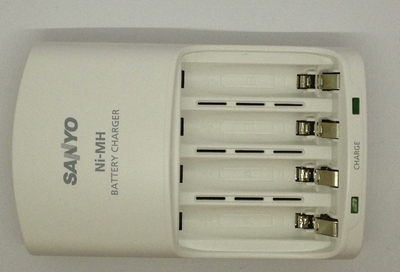
Eneloop charger sold with most kits. This charger can fully charge the AA or AAA batteries in 3.5-4 hours (you'll know its done when the battery LED stops flashing). Batteries must be charged in pairs and always pair similar batteries (AA with AA; AAA with AAA).
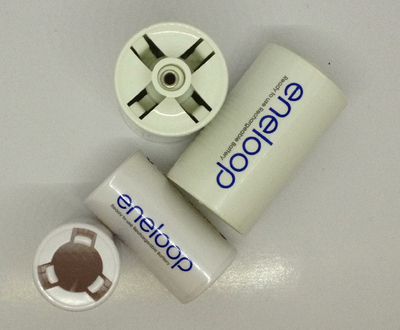
The C and D adaptors in my kit.
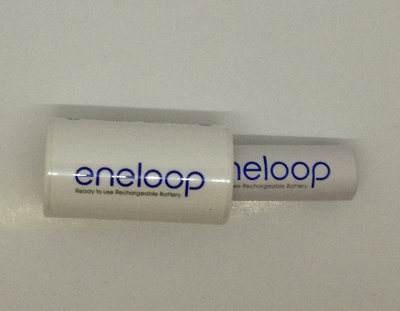
Inserting the AA into the C adaptor
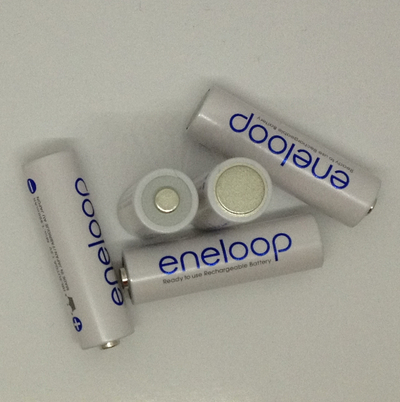
The AA batteries
Lonely people get more virus'
Videotron to offer Google Nexus 4 January 30th
I just saw this tweet from the Videotron account...
C'est le 30 janvier que Nexus 4 de Google sera offert chez Vidéotron. Êtes-vous prêts?
— Videotron(@Videotron) January 23, 2013
This means that Quebecers will be able to walk into any Videotron store and pickup a Nexus 4. Unfortunately no word yet on the price.
Microsoft Office 2013 subscriptions for home users
Microsoft’s next major release of Office is almost here and it is a great time to talk about a new licensing model you will be offered as a subscription. Sure they have tried it in the past but it had always been a badly designed unattractive offering that no one really bought. Microsoft hopes Office 2013 will change that.
Microsoft’s Office 2013 subscription will allow you to install the product on multiple devices (Windows, Mac and mobile) and you will be able to easily transfer a license from one device to another. This means that a family with multiple computers in the house will be able to legally use the same license.
This wonderful new Home Premium license will cost $99.99 a year. Since multiple users in the same house can share the license, it means each person will be able to log in using their own Microsoft account (no need to share account passwords) and benefit from the tied in online services (storage of files on Skydrive, settings sync, etc). The subscription comes with 5 device licenses and you can easily reassign a license from one device to another without having to call a helpdesk.
Plus because it is a subscription model, you will get all of the updates and version upgrades automatically. The other major benefit is the click-to-run feature which makes the app available within minutes (no long complicated installation process). The primary account holder (the one that buys the subscription) gets a 20GB storage bonus on Skydrive (bringing his/her total online storage limit to 27GB). Microsoft is offering the primary account holder 60 minutes of free Skype worldwide calling. And last but not least, you will get Office on Demand which will allow you to use any Office product on any internet connected PC without installation (using Microsoft’s app streaming technologies).
Obviously there are lots user benefits to this new subscription model. Microsoft, on the other hand, gets a steady income stream (instead of a lump sum user purchase every 3-5 years).
More Samsung Galaxy S4 (S IV) rumors
Canadian companies showing BB10 some love
Blackberry 10 Facebook app
Blackberry 10 FourSquare app
Google Nexus 10 available in Play Store
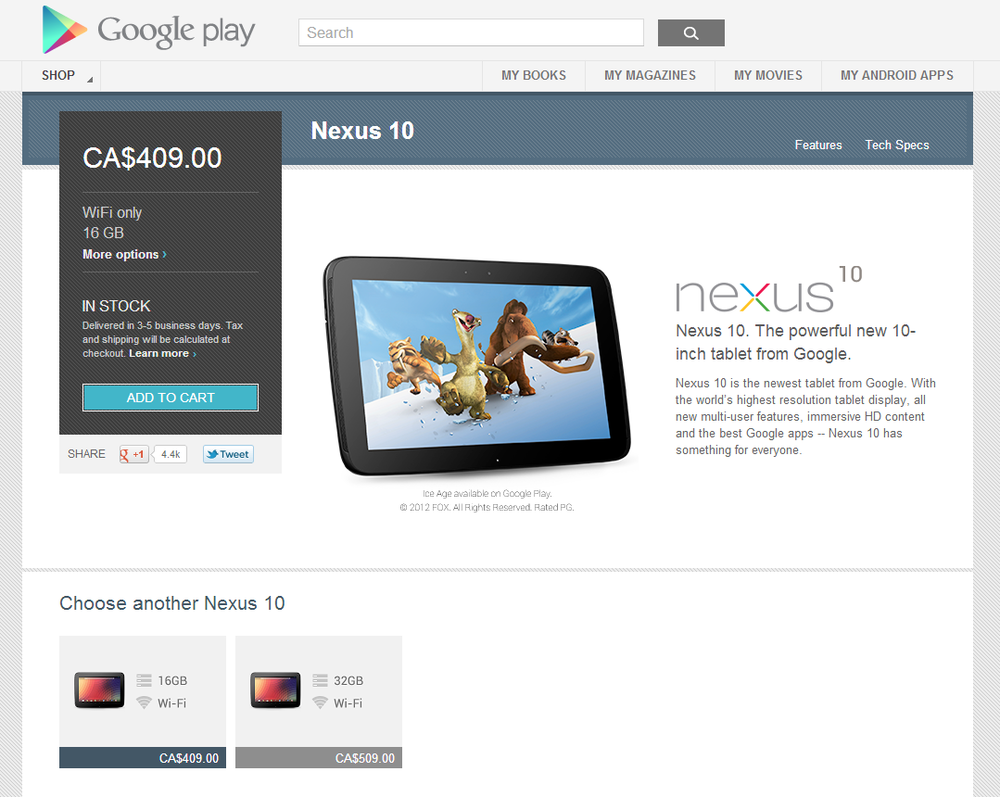
The Google Nexus 10 16GB and 32GB devices seem to be back in stock at the Google Play store (Canada). If you want one, buy it before it goes "Out of stock" again!
Carbonite makes your most used files available everywhere for free
Carbonite is the 800lb remote backup gorilla so anytime they release a new product, I take note. We’ll they released something original and interesting I wanted to share with you because I know it will be immediately useful to you!
Carbonite Currents is service powered by apps for Windows, Mac OS X, Android and IOS that tracks all of your recently used documents (the last 30 days) and makes them available to you everywhere on any platform they support. You don’t have to remember to copy it in a special sync folder, upload it to an online locker or email it to yourself.
Anything you open or edit is automatically made available.
Did I mention it is free? Totally free.
The most recently used file moves to the top of the list so finding your latest edits is easy. It even provides an easy way to share your file (for read or edit) with anyone. And to top of this wonderful technological Sunday, it version controls the listed files so you can always get back to an earlier version if you want.
To be clear, this isn’t a dropbox competitor that makes the entire “Dropbox folder” available everywhere through sync but rather a complementary service for dropbox users and non-users alike. There are times when you get home and realize you forgot to copy an important file to dropbox, this is where Currents would shine. Since its automatic, you have nothing extra to do. Just use the file and Current will make it available.
It is still in beta so you may encounter a few bugs but overall the product is well designed, well thought out and easy enough for anyone to use.
How to install Carbonite Currents
Files available everywhere
Easy sharing with Carbonite Currents
Tablet domination impacts Intel's business model
It’s no secret the tablet market is steadily chipping away at the tradition PC market and now industry heavyweights are starting to feel the impact. Intel has announced that its Haswell architecture motherboards will be the last batch designed and manufactured by Intel.
Other Taiwanese and Chinese manufacturers will easily fill the void however it is interesting to see a tech titan concentrate more on building design references for Ultrabooks and tablet than traditional PC components.
Like everything driven by the consumer, they are at the forefront of the switch to alternative computing models (tablets instead of PCs) however CIOs will have no choice but to eventually change their corporate computing model to account for this new reality. Devices like the Microsoft Surface which deliver the new form factor while still maintaining their corporate manageability, will gain ground in the coming years. For the security conscious, this means your corporate data will be much more mobile. It’s a great time to think about how to manage this new reality.
Microsoft Surface Pro will be available February 9
I’m sure you have been counting down the minutes until you can trade your hard earned money against Microsoft’s Surface Pro. Microsoft has said that your wait is over on February 9th when it hits retail.
Microsoft will offer a 64GB and 128GB model priced at $899 and $999 respectively. You will want to add one of the keyboard covers adding $120 or $130 (depending on the model).
Microsoft will also help you accessories your wonderful new tablet with accessories also being released the same day: limited edition touch covers with interesting patterns, the wedge mouse (for Surface for $70).
check out the Microsoft store for more details.
How to properly lock down your Facebook privacy settings
Facebook has gone to great length to make sure everyone know that Graph Search won’t reveal anything that isn’t already visible to the person conducting the search. However people may be able to find information about you because of privacy setting misconfigurations you may have made.
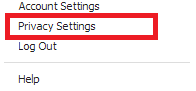
It is a great time to make sure you have properly locked down your Facebook privacy settings. Click on the little gear icon (upper right hand side) and choose “Privacy Settings”.
First

Then
Then
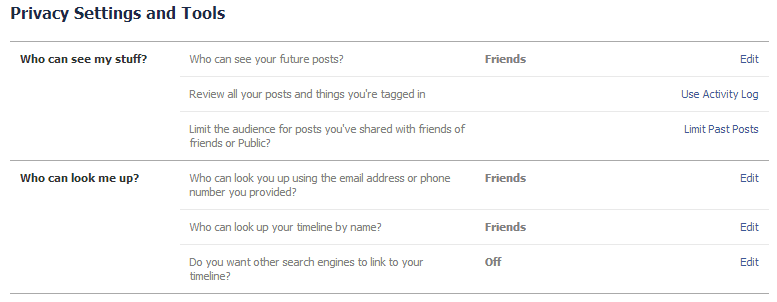
The ” Who can see my stuff “ section controls who can see your information when conducting a Graph Search.
The on the left hand side, click on Timeline and tagging to check out the other important security settings.

Once there, check out these settings:

As much as possible, I would recommend limiting most settings to Friends.
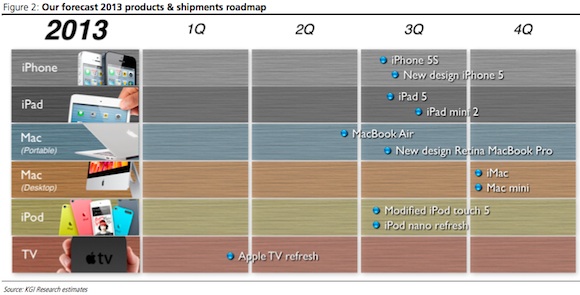
Iphone 5s and cheaper iPhone to be released Q3 2013
Nothing is more refreshing in a new year than a fresh round of Apple iPhone rumors. Now KGI Securities analyst Ming-Chi Kuo has come out with his predictions based on unnamed sources. It is important to note that Ming-Chi has a fairly reliable track record with his Apple predictions.
I present the iPhone 5S
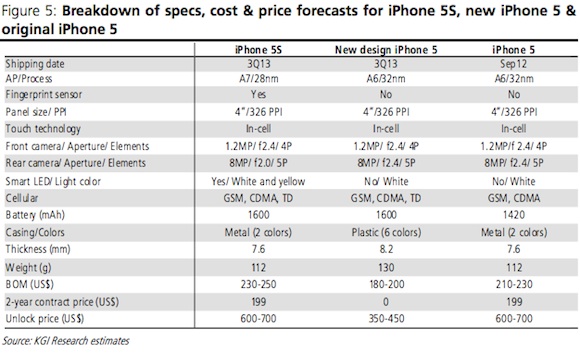
He expects Apple to release it’s latest and greatest iPhone, the iPhone 5s, in Q3 2013. It will likely be announced at the Apple WWDC in June/July. Ming-Chi’s prediction shows a new phone very similar to the current iPhone 5 except it will sport a newer A7 processor, a fingerprint sensor, 8MP camera with an f2.0 aperture and a “smart LED” flash that can be white or yellow.
Apple will release a low cost iPhone
Ming-Chi also believes that Apple will release a cheaper iphone this year which will be a repackaged iPhone 5 with a plastic case and a little thicker than the current model. He expects this new device to cost about $350-400 off contract and free on most US carriers with a 2 year contract.
You will soon be able to easily buy a Google Nexus 4
Google's newest competitor is Facebook Search
Facebook has now officially entered the search engine business by publicly announcing its new Facebook Graph Search product. Using natural queries, it will allow anyone to datamine public information from Facebook’s 1 billion users. How does it work? You will be able to ask it questions like:
- What are the most popular Indian restaurants in Montreal with my Indian friends?
- Who went to Mcgill University, graduate in 2000 with a bachelor in mechanical engineering and is friends with XYZ?
You’ll notice that they went to great lengths to make search easier and more natural. Some have said this is simply another tool to stalk Facebook friends and this will likely create some interesting Information Security challenges but the moral of the story is that Facebook is now officially challenging Google’s search dominance.
Google’s business is built on ad revenue and it gets this huge pile of cash because it can target users with pin-point accuracy. Google uses all of its FREE service to collect signals from its users that can then be turned into targetable demographic breakdowns. This is the crown jewels Facebook is trying to steal from Google. Everything Facebook has done so far has been to collect these signals, these unique identifiers that will allow marketers to more accurately target you with relevant advertising.
Remember that Facebook knows who you know, what you like, where you have been and where you are now. They want to tie all of this together to predict where you will be and help advertisers.
If it’s a question of who I trust more, my vote goes to Google. I find that Facebook makes its privacy settings needlessly complicated so that people unknowingly overshare their information. I will likely tackle the privacy implication of Graph Search in a future article but for now, know that this new feature is a very important one that will likely change the fate of Facebook and force Google to continue innovating.
Facebook Graph Search isn't available to most users yet and will be slowly rolled out over the next couple of months (starting with US users).
Cuba may have turned on it's first underwater internet connection

Android versus IOS, which is better?
As an experienced IOS user, I decided it was time for me to learn Android and early December 2012, I jumped in head first. I bought an Android (Nexus) device and started reading/watching everything I could find.
Having spent over a month living and working with an Android device, I wanted to share my comparative thoughts about Android (Jelly Bean 4.2) vs IOS 6.0.1.
Applications
Android is now competing head to head with IOS and offers almost as many apps to its users. Comparing well rated and very popular apps, I feel that the IOS ones are still slightly more polished than the Android ones.
When testing a Nexus 7 tablet, I was surprised at how many Android apps aren’t tablet optimized. Sure they work fairly well but don’t really take advantage of that bigger screen to offer a rich user experience.
Although it isn’t a major issue, I have found that my Android apps tend to crash a little more often than my IOS ones.
With Android’s market share growing in leaps and bounds, it may be a question of time until the prime development platform for new startups becomes Android but for now many cool new apps I want to try are IOS first.
One thing I love on IOS is the free for a day promos. I have been able to download some high quality apps for free using these promotions. I haven’t found this type of a system on the Google Play App store (and the Amazon App store isn’t open to Canadians).
IOS wins it for me here.
Google suite of apps
It’s no secret that Google offers a robust set of online services that has proven difficult to compete with. I use Google Maps, Google+, Google Apps, Google Chrome, Youtube and I am happy that all of the apps for these services are available in both Android and IOS.
Google has done an excellent job offering a top notch user experience on both platforms. Sure Google Maps on Android supports caching of offline maps but this isn’t really an issue for me.
My only complaint about IOS is the fact that I can’t change the default app for a third party one (i.e. Chrome instead of Safari).
Android wins it for me in this category simply because I can reassign default apps.
Price
Clearly Google wins here. My Nexus 7 device performed extremely well for a device priced $100 cheaper than an iPad mini. The Nexus 4 is an unbeatable value at $300.
Obviously Apple has been able to charge a premium because of the popularity and its products but I am hopeful Mr Cook will come to his senses and start pricing Apple products more competitively. I don’t expect Apple to be the cheapest but they need to become more competitive.
Google wins this one.
Social Media Integration
I find both platforms have excellent integration with Facebook and twitter. Both allow me to post easily from the default apps and to pull contact information into my address book. I am hoping Apple adds Google+ integration into the next iteration of IOS but I’m not hopeful.
This category is a draw for me.
Voice commands
I tested both voice systems head to head and they each seem to shine in their own way. In my personal unscientific testing, I found SIRI able to more easily understand natural language queries most of the time.
When both systems understood the query, I preferred how Google presented the results in the form of a Google card pulling from its knowledge graph.
Overall I find both systems fall short and need huge improvements to be truly useful. Both systems made mistakes and both systems aren’t able to control commonly used system settings like Bluetooth, wifi, etc.
This category is a draw for me.
Accessories
Since IOS devices are more limited and each has a much larger user base than individual Android devices, accessory manufacturers seem to gravitate more to Apple product. From battery cases to speaker docks, an IOS user has a lot more choice and accessory options.
Apple wins here.
OS upgrades
I hate the fact that Android devices (non-Nexus) get OS updates when the manufacturer decides they do and many users are left waiting for 6-12 months before being offered the latest and greatest.
Then many Android manufacturers orphan users who own devices only 18 months old.
Apple wins here.
Google Now
In its current form (with all the limitations it has), Google Now is cool but not a differentiating factor. If Google plays its cards rights though, this could quickly become a killer feature.
Overall experience
I went into the test hoping Android would be the clear winner and that it would be my platform of choice going forward. Unfortunately it didn’t knock my socks off and I am still left in limbo.
Apple hasn’t made any revolutionary changes to IOS in a while and I feel 2013 may be the year Google becomes the more full features smartphone OS. Apple’s walled garden maintained by absolute control over the user experience is also sometimes annoying and limiting.
Project butter seems to have made Android a lot more responsive, however I find that it still doesn’t match the IOS user experience. In IOS, my apps rarely freeze and the OS rarely stutters.
I have decided to wait until Q4 2013 to make my final decision as I want to see the next iteration of Android, IOS and the next major iterations of the Nexus and Apple smartphones. Based on my experience and discussions I have had with other users, it is still Apple’s fight to lose but they are walking on very thin ice. All it would take from Google is one major innovation and Apple may find itself in intensive care.
New Screenshots of Kim Dotcom's Mega
Mega us tge rebirth of the old MegaUpload that was taken down by US authorities for copyright infringement.
Here are some screenshots of the service if you are curious:
You can see the full size image by clicking on any of these thumbnails.
Main screen after you login

Account Details option
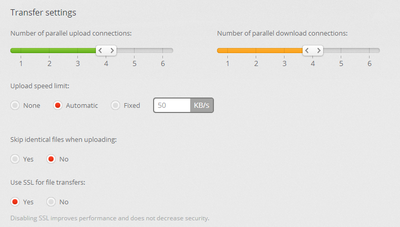
Transfer Settings
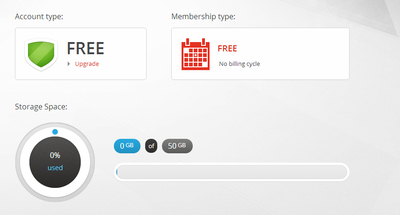
Account Balance

Session History
Some people may not like the fact that every time they log in, the MEGA system will log browser, IP address, country of origin and browser. Here I show the last 10 sessions but that can be changed to 100 or 250 last sessions.

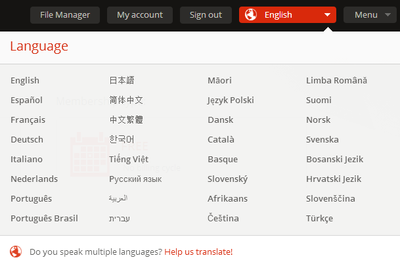
Languages MEGA currently supports
Megaupload is back offering interesting new features
Does productivity hurt creativity?
I love the Chinese concept of yin and yang. It reminds us that all things in the universe must be in balance. Good with bad, positive with negative and productivity with creativity. What?? You heard right, productivity and creativity are at opposite ends of the spectrum. The part of your brain that handles organized productive thought is the opposite side of the one that comes up with the crazy out of the box thinking that creates revolutionary shifts.
I often hear comments like “I was on the plane and all of a sudden, I had this great idea”. People seem to be most productive when they are disconnected from the world and not working against a fixed timeline.
Productivity is a creativity killer!
A Silicon Valley startup even moved its operations (temporarily) to Hawaii to gain more creativity and come up with breakthrough ideas.
We all have “dead time” in our lives. Time we spend waiting for the bus, subway. Waiting at a checkout counter or restaurant. Before the era of always connected smartphones, many of us used this time to think about issues that needed to be thought about. Today we spend that time trying to be more productive by responding to emails and conducting web research on the go. Smartphones are a great help but if you need creativity, you should learn to put it away once in a while and just ponder and day-dream.
There was an interested 2009 article about the benefits of ineficiency for creative thinking.
My approach
As the Chief Information Security Officer of a large multinational, my job demands efficiency and control [most of the time]. Yet to truly add value for my company, I need to come up with Big Hairy Audacious Goals that push everyone outside of their comfort zone but that deliver the real long term strategic wins.
When I want to be creative, I follow a flow:
It’s play time
I block out a 4 hour chunk to play with my ideas and often lock myself in my office. I decide on my first main idea and then use mind mapping to develop and flow. Non-judgmental, honest and fast moving. I have tried mind mapping software but for truly creative thinking, nothing works better [for me] than an analog experience on a whiteboard.
Daydream
Allow yourself to daydream. Whether it means starring out from a window, bouncing a ball on a nearby wall or taking a random walk, allow yourself to be “non productive”. This unproductive time has been shown to spark big-picture thinking. It allows your brain to process thousands of pieces of unrelated information and produce a masterpiece of original thought.
Some may feel like they are wasting time but this couldn’t be further from the truth. As mental activity decreases, valuable brain activity increases. This has been proven in countless research papers and is the main concept behind meditation. Give your brain a chance and it will amaze you. It will interconnect unrelated bits of information and then will bubble up wonderful ideas to your conscious mind.
Trust that it will happen and get out of the way. Allow yourself to daydream.